
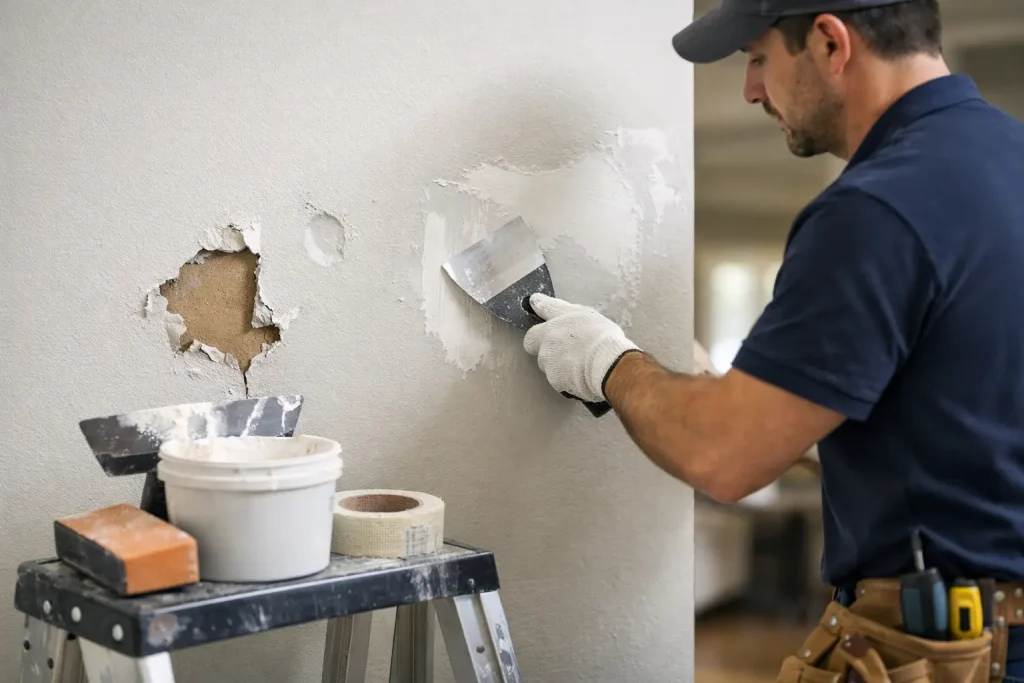
A hairline crack near a doorway may look minor, but a soft spot beneath a window or a stain spreading across the ceiling calls for a closer look. Drywall repair Shreveport property owners need is not just about making a wall look clean again. It is about finding out whether normal settling, moisture, impact damage, or a larger building issue is behind the surface problem.
In a home, damaged drywall can take away from an otherwise well-kept room and make a renovation feel unfinished. In an office, retail space, warehouse, or rental property, it can affect the professional appearance of the facility and expose underlying issues that should not be ignored. A proper repair restores the finish while protecting the long-term condition and value of the space.
What Drywall Damage Is Telling You
Drywall is durable, but it is not structural. It can reveal movement, moisture, and everyday wear long before a more serious problem becomes obvious. The first step is separating a cosmetic flaw from damage that needs investigation.
Small nail pops, minor dents, and thin cracks at joints are often connected to seasonal expansion, settling, or normal use. Shreveport’s heat, humidity, and changing indoor temperatures can put materials under stress, especially where framing, trim, and drywall meet. These repairs are usually straightforward when the wall is dry, stable, and otherwise sound.
Water-related damage is different. Brown or yellow staining, bubbling paint, sagging ceiling material, peeling tape, and soft drywall should be treated as warning signs. Repairing the visible area without resolving a roof leak, plumbing leak, window issue, or condensation problem will only postpone the same damage. The source must be identified and corrected before new drywall and finish materials are installed.
Cracks also deserve context. A short, narrow crack may be a finishing issue. A crack that widens, returns after repair, runs diagonally from a door or window corner, or appears with sticking doors and uneven floors may point to movement that requires a broader assessment. It depends on the age of the building, the location of the crack, and whether related symptoms are present.
When Drywall Repair in Shreveport Needs a Professional
Many homeowners can fill a small nail hole. The difference between a quick patch and a professional repair becomes clear when the damaged area must blend into an existing wall or when the cause is uncertain. Calling a qualified construction professional is especially worthwhile when you notice:
- A ceiling stain, sagging area, or damaged drywall after a leak
- Cracks that keep returning or are spreading across multiple surfaces
- Mold-like discoloration, damp insulation, or a musty odor behind the wall
- Large holes, damaged corners, or missing sections of drywall
- Textured walls or ceilings that need to match surrounding finishes
- Commercial-space damage that could affect operations, appearance, or code requirements
Large repairs need more than a piece of replacement board. They may involve checking framing, insulation, wiring, plumbing, moisture conditions, and the integrity of nearby materials. That is where a full-service construction partner can save time. Instead of managing separate repair, painting, and finishing crews, property owners have one accountable team coordinating the work from assessment through final touch-up.
What a Lasting Drywall Repair Requires
A clean-looking patch is not always a durable repair. Quality workmanship follows a sequence that addresses the substrate, the drywall, the joints, and the final finish.
Start With the Cause, Not the Patch
Before removing damaged material, the repair team should determine why it failed. Water intrusion must be stopped. Loose drywall needs to be secured. Damaged framing or wet insulation may need replacement. If a wall was hit by moving furniture or equipment, the repair may also be an opportunity to consider corner guards or more durable wall protection in high-traffic areas.
This step matters because drywall compound is a finish material, not a solution for ongoing movement or moisture. Applying compound over a recurring problem can leave a property looking better for a few weeks while the underlying issue continues.
Cut Back to Sound Material
Water-damaged, crumbling, or soft drywall should be removed until the surrounding material is solid and dry. The replacement piece must fit correctly, have secure backing where needed, and be fastened to stable framing. For ceiling repairs, proper support is particularly important because gravity will expose weak installation quickly.
The right board also depends on the location. Standard drywall may be appropriate for a dry bedroom wall, while moisture-resistant material can be a better choice around certain wet or humid areas. A professional can recommend materials based on actual exposure conditions rather than using a one-size-fits-all patch.
Build Strong, Flat Joints
The joint between old and new drywall is where rushed repairs often fail. Tape, joint compound, and careful feathering create a gradual transition rather than a visible raised outline. Several coats may be needed, with drying and sanding between applications.
A good repair should disappear under normal lighting. That is harder than it sounds. Side lighting from windows, recessed fixtures, or bright overhead lights can reveal ridges, sanding scratches, and uneven texture that were not visible during the patching stage.
Match Texture and Paint
Smooth walls require a smooth finish, but textured surfaces require an experienced eye. Orange peel, knockdown, hand-applied textures, and older custom finishes all need to be blended into the surrounding wall. The goal is consistency, not simply covering the repaired section.
Painting is the final test. Even when the color formula is known, older paint can fade or change over time. A repair may require painting the full wall, or sometimes an entire plane from corner to corner, to avoid a visible color difference. This is a trade-off worth discussing before the work begins: a smaller paint scope costs less, but a wider paint area often produces the more polished result.
Repair or Replacement: Making the Practical Call
A localized hole or isolated leak area can usually be repaired effectively. Replacement becomes more practical when damage covers a large portion of the wall or ceiling, when multiple patches have accumulated, or when moisture has compromised broad sections of the board.
For homeowners preparing to sell, replacing severely damaged or heavily patched drywall can help a room present better during showings. Fresh, properly finished walls allow new paint, custom finishes, and updated design choices to look intentional. For owners of commercial properties, replacement may be the smarter choice when repeated repairs are disrupting tenants or creating an inconsistent appearance in customer-facing areas.
Cost should be considered alongside durability and appearance. The least expensive option is not always the one that protects the property best. A clear assessment should explain what can be repaired, what should be replaced, what caused the issue, and what finish work is needed to make the room look complete.
Drywall Repairs for Homes and Businesses
Residential repairs often focus on preserving the comfort and appearance of a personal space. Homeowners may be dealing with furniture damage, settling cracks, a plumbing leak, or walls opened for electrical and renovation work. They need careful protection of flooring and furnishings, clean work areas, and a finished result that fits the rest of the home.
Commercial work adds operational concerns. Office managers and business owners may need repair work scheduled around employees, customers, tenants, deliveries, or sensitive equipment. Damaged drywall near utility rooms, loading areas, and high-use corridors may need a more durable approach than a standard residential patch. Communication, site coordination, and an efficient schedule are part of the workmanship.
Performance Construction brings the same hands-on project oversight to drywall work that it applies across larger residential and commercial construction projects. That matters when a repair involves more than the wall itself, such as water-related restoration, repainting, demolition, or a broader renovation plan.
How to Prepare for a Repair Visit
A little preparation helps the assessment move quickly. Take photos when a stain or crack first appears, especially if it changes after rain or after using a nearby plumbing fixture. If possible, note when the damage started and whether it has grown. For commercial properties, share any access limitations, operating hours, or areas that must remain clear.
Move fragile items away from the work area and make sure the repair team can access the affected wall or ceiling. If a leak is active, shut off water when appropriate and address the source promptly. Do not wait for drywall to sag or collapse before taking action.
The best drywall repair is the one that leaves the room looking whole again and gives you confidence that the condition behind the wall has been handled correctly. A careful evaluation today can prevent a small surface issue from becoming a larger interruption tomorrow.

2 Responses