
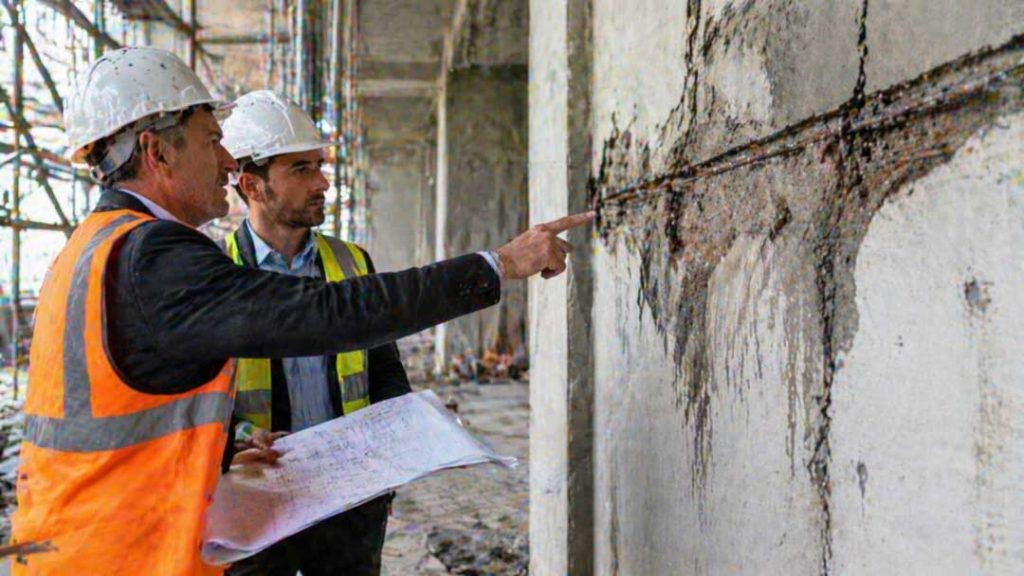
Massive financial risks often follow construction defects on commercial sites. These problems go beyond simple fixes or short job delays. Even experienced contractors in Shreveport face challenges when issues arise, such as poor materials, design flaws, or code violations. Faulty installation and missed inspections can trigger a chain of damage, leading to costly property issues and dissatisfied clients across Louisiana’s commercial markets.
As a result, costs can rise quickly. Insurance claims on projects affected by recurring water intrusion are increasing, placing pressure on budgets originally intended for growth and reinvestment. Legal action against builders has also become more common as property owners seek recovery for operational disruptions or tenant losses caused by unsafe conditions.
Strong planning and disciplined project oversight reduce these risks, but they require consistent attention throughout construction. In this context, understanding the most common defects found in commercial construction in Shreveport helps property owners protect their investment from the start.
Common Construction Defects in Shreveport
Construction defects remain a major concern for property owners across Shreveport. Identifying these issues early allows you to protect both project timelines and long-term property value.
Design defects: These occur when construction does not align with approved plans or local building codes. The result may include compliance violations, safety concerns, and additional corrective work later in the project lifecycle.
Material defects: Problems arise when incorrect or low-quality materials are used. For example, improper concrete mixes or untreated lumber can lead to long-term structural concerns, moisture damage, or reduced durability.
Workmanship defects: These stem from errors during construction. Issues such as improper framing, uneven finishes, or poor installation techniques can lead to cracks, leaks, or compromised structural integrity over time.
Understanding these defect categories helps you make informed decisions and reinforces the importance of working with experienced professionals throughout the construction process.
Financial Impact of Construction Defects
The growth of commercial construction in Shreveport increases financial exposure when defects occur. These risks affect both immediate project costs and long-term investment performance.
Direct repair and replacement costs: Addressing defects often requires significant funding, especially when issues are discovered after construction is complete. Repair costs can exceed original projections and create unexpected financial strain.
Legal liabilities and claims: Construction defect claims continue to increase, exposing contractors and property owners to legal disputes. These claims may lead to extended project delays, settlement costs, or operational interruptions.
Impact on insurance and risk management: Insurance providers have adjusted coverage requirements to address increased claims activity. This has led to higher premiums and more restrictive coverage for both residential and commercial construction projects.
Legal Consequences for Commercial Builders
Construction defects can result in serious legal consequences that extend beyond financial loss. Builders must maintain clear accountability and documentation throughout every phase of a project.
Contract breaches: Failure to meet agreed project specifications or timelines may result in legal claims, financial penalties, or contract termination.
Liability for property damage or injury: Defective construction can lead to structural failure or safety hazards, exposing builders to liability claims involving property damage or personal injury.
License suspension or revocation: Repeated violations or significant claims may result in disciplinary action from licensing authorities, affecting future project opportunities.
Preventing Costly Construction Mistakes
Early planning and disciplined execution are critical for preventing construction defects. Structured processes help reduce risk and maintain consistent project performance.
Assess site conditions carefully: Evaluating soil conditions, drainage, and access early helps avoid costly surprises later in the build.
Forecast labor demands accurately: Planning for the right workforce and skill levels ensures consistent progress and reduces scheduling disruptions.
Account for risk and contingencies: Setting aside contingency funds enables projects to adapt to unexpected challenges, such as weather delays or material price fluctuations.
Ensuring Quality in Commercial Projects
Maintaining consistent quality is essential in commercial construction. Strong quality control measures protect both structural integrity and long-term value.
Comprehensive project planning: Clear planning ensures that all project stages are coordinated and aligned with timelines, budgets, and performance expectations.
Robust quality control protocols: Regular inspections and detailed documentation help identify issues early, preventing them from becoming larger problems.
Adequate training and communication: Ongoing training and clear communication ensure that all team members understand project requirements and safety expectations.
Addressing Water Intrusion Issues
Water intrusion remains one of the most costly and common issues in commercial construction. Early detection and prevention are essential for protecting both structure and investment.
Thorough site assessments: Reviewing drainage systems and grading plans helps identify areas where water may accumulate or penetrate the structure.
Modern leak detection methods: Monitoring systems and early warning tools help identify leaks quickly, allowing for immediate corrective action.
Quality-controlled building materials: Selecting appropriate waterproofing systems and materials designed for Louisiana’s climate helps reduce long-term risk.
Mitigating Risks in Commercial Construction
Risk management plays a central role in protecting commercial construction projects from financial loss. Even small oversights can impact schedules and budgets if not addressed early.
Clear contract terms: Well-defined agreements outline responsibilities and reduce uncertainty when challenges arise during construction.
Use of retainage and bonding: Financial safeguards such as retainage and performance bonds help ensure accountability and protect project investment.
Consistent communication: Regular coordination among owners, contractors, and subcontractors helps address issues early, preventing escalation.
Overlooking construction defects can place any commercial project at risk. Repair costs, delays, and legal challenges can significantly impact profitability and long-term value. Even minor issues, such as water intrusion or structural inconsistencies, can lead to prolonged disruptions if not addressed properly.
In Shreveport, Bossier, and Stonewall, property owners benefit from working with experienced commercial builders who prioritize quality, compliance, and long-term performance. At Performance Construction, we bring over 25 years of experience in general and residential contractor services, delivering dependable results through disciplined planning and proven construction practices.
Our team focuses on both Commercial Construction and New Home Construction, ensuring that each project meets the highest standards of structural integrity and durability. With a strong commitment to Southern professionalism and local expertise, we help clients avoid preventable risks and protect their investment from the ground up.
To learn more about our approach to Commercial construction in Shreveport, visit https://www.performance4d.net/ and connect with our team for a detailed consultation.
